Sanitary inspection packages for drinking-water
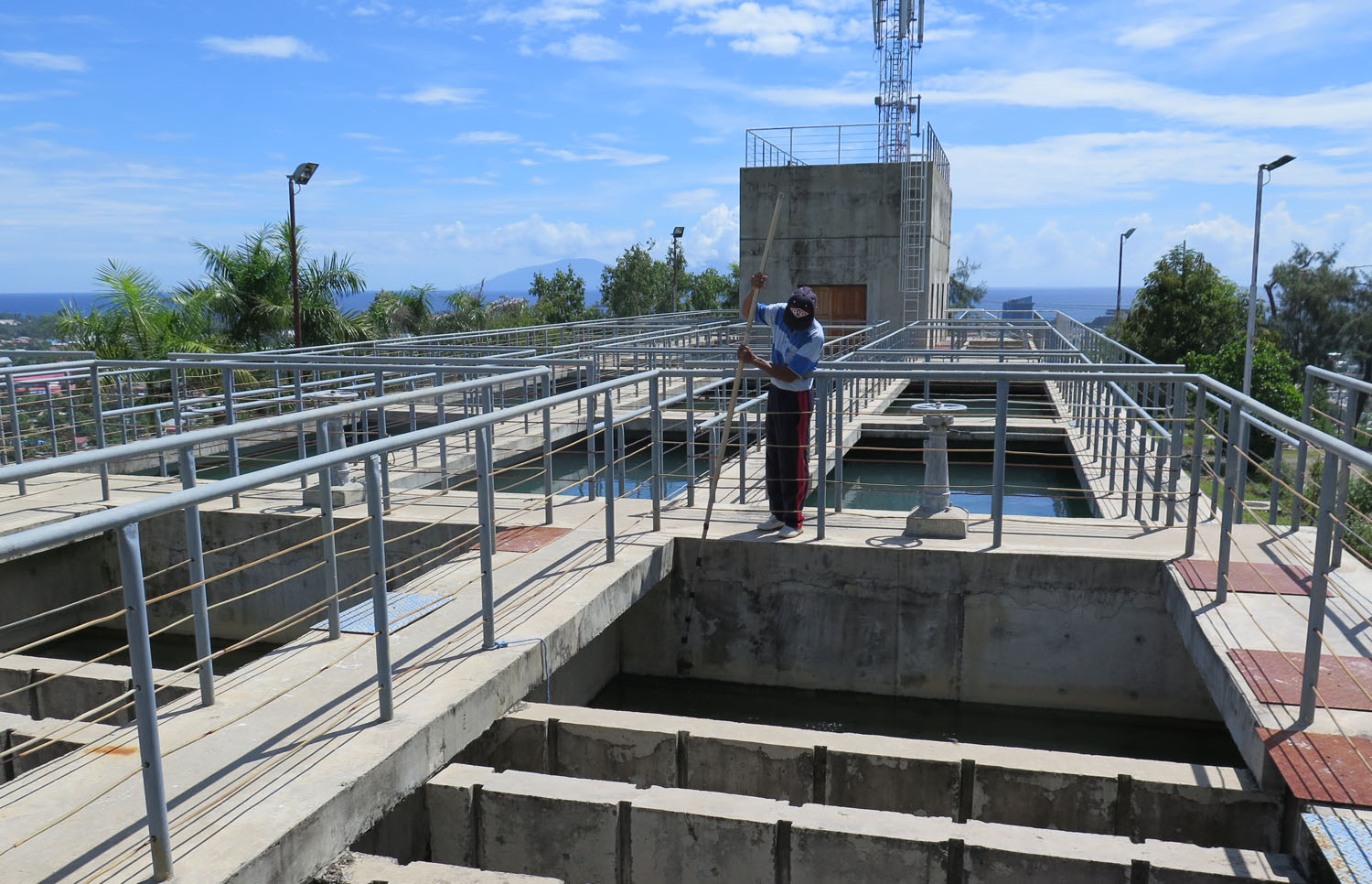
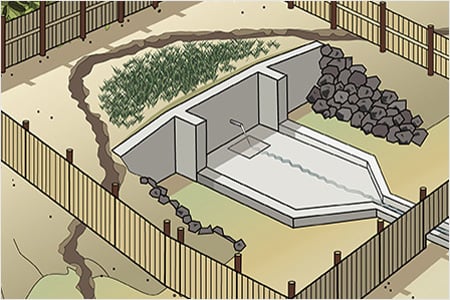
Revised sanitary inspection packages are available that support the assessment and management of risks within drinking-water supply systems.
Download the packages
Water safety planning
The WHO Guidelines for drinking-water quality recommend water safety plans (WSPs) as the most effective means of consistently ensuring the safety and acceptability of a drinking-water supply.
WSPs require a risk assessment including all steps in water supply from catchment to consumer, followed by implementation and monitoring of risk management control measures, with a focus on high priority risks. Where risks cannot be immediately addressed, the WSP approach allows for incremental improvements to be implemented systematically over time. WSPs should be implemented within a public health context, responding to clear health-based targets and quality-checked through independent surveillance.
WSPs are adaptable to all types and sizes of water supply, and can be effectively applied in all socioeconomic settings. The water safety planning approach is increasingly being adopted globally as best practice for the provision of safe drinking-water.
Relevant publications

This document provides a summary of supporting resources on various aspects of water safety planning, including water safety plan development, implementation,...
This Water safety plan manual provides practical guidance to support development and implementation of water safety planning in accordance with the principles...
Water safety plans (WPS) have been implemented in every region of the world, and many implementing countries have included WSPs in drinking-water policies...
The WHO Guidelines for Drinking-water Quality recommends the application of a comprehensive risk assessment and risk management approach called Water Safety...
Revised sanitary inspection packages are available that support the assessment and management of risks within drinking-water supply systems.
Download the packages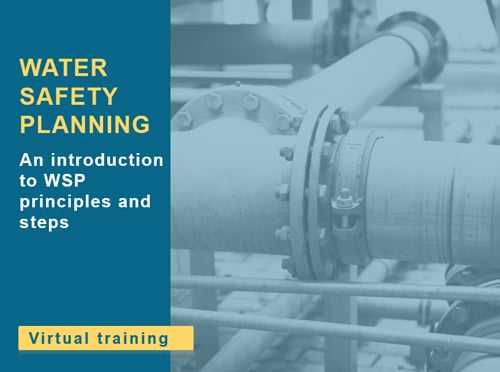
This series of training videos provide an overview of the water safety planning approach and it’s benefits. It also includes information on the individual steps of water safety planning for urban water systems, as well as covers the basic elements of water safety plan auditing.
For more information and to view the videos
Water safety portal
A global resource website on WSPs